
Reaching an agreement with your former partner during family mediation can feel like a major step forward. You may have discussed how to divide property, savings and pensions, or agreed arrangements for your children. But once those discussions are finished, an important question remains: is your agreement legally binding, or does it need to be approved by the family court?
This is where a Memorandum of Understanding (MOU) Newbury and a Consent Order come in. Although both can relate to agreements reached after separation, they serve different purposes. Knowing how this works can save you from confusion later. It also helps make sure everyone is clear about what has been agreed and that nothing important is left out. Also read: The £500 Government Mediation Voucher: How to Claim It and What It Covers
This guide explains how each document works, when you might need one and how British Family Mediation Service can help you understand the next steps.
What Is a Memorandum of Understanding in Family Mediation, and What Does It Actually Record?
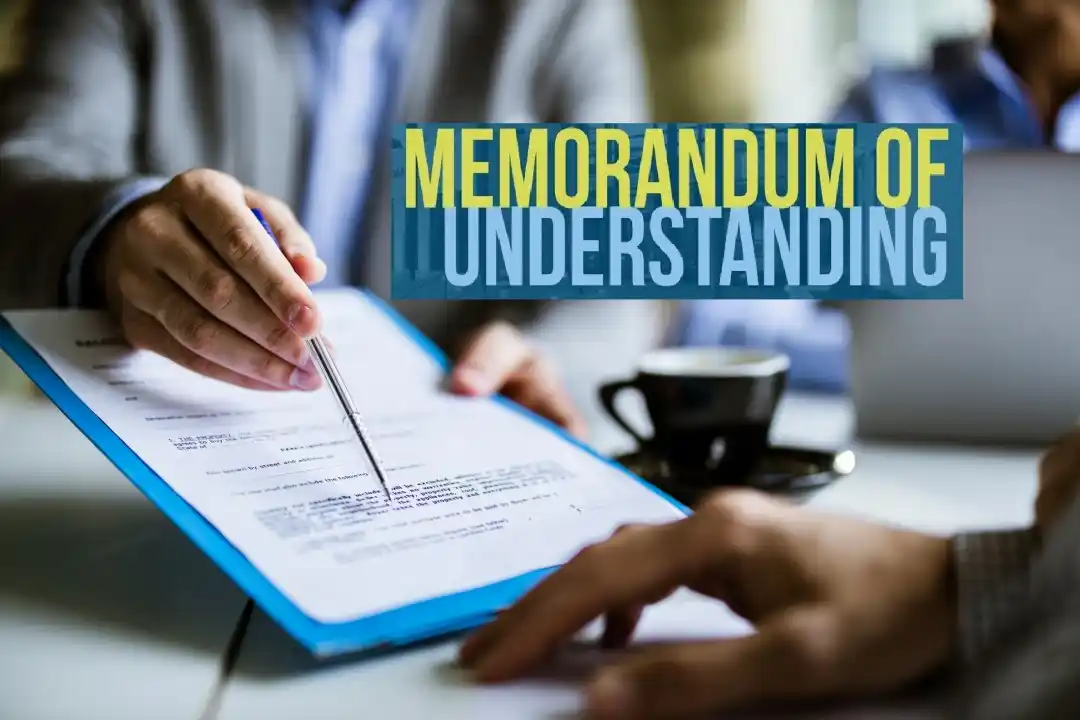
When separating couples reach an agreement during mediation, the mediator puts what they’ve agreed into writing. You may hear this document referred to as a Memorandum of Understanding (MOU). It covers the decisions they’ve made, whether they’ve agreed on everything or still have a few things to work through.
It records the proposals you have both considered and agreed during mediation. Depending on your circumstances, this may include:
- Who will remain in the family home or whether it should be sold.
- How savings, investments and other assets may be divided.
- Proposed arrangements for pensions and financial responsibilities.
- Whether one person will make maintenance payments.
- Practical arrangements for children, including living arrangements and time spent with each parent.
The document gives both people a clear record of the discussions and agreed proposals. It can also identify any matters that remain unresolved.
However, an MOU is not the same as a court order. It is generally intended to help you and your respective solicitors understand what has been agreed and decide how to formalise it where necessary.
Is a Memorandum of Understanding Legally Binding, or Can Either Person Change Their Mind?
This is one of the most important questions to understand before relying on an agreement reached during mediation.
In most family mediation cases, a Memorandum of Understanding is not automatically legally binding. Although it records the proposals you have agreed, it does not carry the same legal authority as a court-approved Consent Order.
For example, imagine you and your former partner agree that the family home will be sold and the proceeds divided in a particular way. A few weeks later, your former partner changes their mind and refuses to proceed.
You may have a written record of the original agreement, but the MOU alone does not give you the same enforcement options as a financial Consent Order. Read this also: My Ex Wants to Introduce a New Partner to the Children — What Can We Discuss?
This does not mean the document has no value. It gives you a written record of what was discussed, which your solicitor can use when preparing the legal paperwork.
If money or property is involved, it’s worth speaking to a solicitor before you agree to anything. They can look over what’s been proposed, explain what it means for you and point out anything you might have missed.
What Is a Consent Order After Divorce, and How Does It Make a Financial Agreement Legally Binding?
A Consent Order Newbury is a formal court order that sets out the financial agreement reached between divorcing or separating spouses or civil partners.
Unlike a Memorandum of Understanding, a Consent Order becomes legally binding once the court approves it and the relevant legal requirements are met.
It can cover matters such as:
- Selling or transferring ownership of a property.
- Dividing savings, investments and other assets.
- Making arrangements for pension sharing.
- Agreeing lump-sum payments.
- Setting out spousal maintenance arrangements.
- Including a clean break, where appropriate, to end certain future financial claims.
A judge will look at the agreement and the financial details before approving it. If something is unclear or seems unfair, they may ask the couple to explain or make changes. Check This Also: I’m a Grandparent and I’ve Been Cut Off From My Grandchildren — What Can I Do?
For financial agreements, the Consent Order provides important legal protection that an MOU alone does not provide.

Memorandum of Understanding vs Consent Order: Which One Offers Better Legal Protection?
An MOU and a Consent Order Newbury do different jobs. Which one you need really comes down to what you want to put in writing and whether you want the court to make your financial agreement legally binding.
| MOU | Consent Order |
| Records proposals reached during mediation. | Formalises an agreement through the court. |
| Generally not legally binding. | Legally binding once approved and effective. |
| Helps both parties understand what they have agreed. | Sets out the terms the parties must follow. |
| Can be used as a starting point for legal drafting. | Can provide enforcement options if terms are breached. |
| Does not require court approval to be produced. | Requires court approval. |
For example, if you have agreed how to divide your property and pensions after divorce, an MOU can record the proposals. A solicitor can then use those proposals to prepare a draft financial Consent Order for court approval.
If you have children, remember that financial agreements and child arrangements are not exactly the same. Parents can record arrangements for their children through mediation, but if they want a child arrangements agreement made into a court order, the court must consider the child’s welfare.

How Do You Turn a Memorandum of Understanding into a Consent Order, and Do You Need a Solicitor?
If you have reached a financial agreement through mediation, the next step may be to ask a solicitor to prepare a draft Consent Order.
The process generally involves:
- Reviewing the MOU: Check that the proposals accurately reflect what you and your former partner agreed.
- Obtaining independent legal advice: Each person should understand the implications of the proposed financial settlement.
- Preparing the draft order: A solicitor can translate the agreed proposals into appropriate legal wording.
- Providing financial information: Both parties usually need to complete the relevant financial information, including Form D81.
- Submitting the application: The draft order and required documents are sent to the family court for consideration.
- Waiting for the court’s decision: A judge reviews the agreement and decides whether it is appropriate to approve it.
You do not usually need to attend a court hearing if the judge is satisfied with the paperwork. However, the court can request further information or changes if something is unclear.
A solicitor is not necessarily the only route for preparing an application, but obtaining independent legal advice is strongly recommended, particularly where property, pensions, substantial savings or ongoing maintenance are involved.
For divorce cases in England and Wales, a financial Consent Order cannot normally be approved before the conditional order stage. It only takes effect after the final order.
How Much Does It Cost to Get a Consent Order, and Can You Apply Without Going to Court?
Getting a Consent Order Newbury in place can cost different amounts depending on your financial situation. If your finances are straightforward, the costs may be lower. If you have property, pensions or other financial matters to sort out, you may need extra legal help, which can add to the cost.
You may need to consider:
- The family court application fee.
- Solicitor fees for reviewing the MOU and drafting the order.
- Additional advice about pensions, property or complicated financial arrangements.
- Costs associated with correcting or changing documents if the court requests amendments.
The good news is that an agreed financial Consent Order does not usually require a contested court hearing. If the paperwork is complete and the judge is satisfied with the agreement, the application can often be dealt with on paper. Also check: How to Agree on Holiday and Christmas Contact Through Mediation
It may be possible to prepare and submit the paperwork without instructing a solicitor. However, this can be risky if you do not understand the legal wording or the long-term consequences of the agreement.
A particularly important consideration is whether your agreement deals properly with future financial claims. Simply agreeing to divide assets does not necessarily prevent either person from making certain financial claims later. A suitable court-approved order, including a clean-break provision where appropriate, can address this.
What Happens If Your Ex-Partner Breaks the Agreement, Refuses to Sign or Changes Their Mind?
You can feel relieved when you finally reach an agreement in mediation. So, when your former partner changes their mind afterwards, it can be frustrating and leave you wondering where you stand.
What happens next depends on the document you have and the circumstances of your agreement.
If you only have a Memorandum of Understanding: The document generally cannot be enforced in the same way as a court order. You may need further legal advice, negotiation or another mediation session to resolve the disagreement.
If you have an approved Consent Order: The terms can generally be enforced through the court if your former partner fails to comply. The appropriate enforcement process depends on the particular obligation and circumstances.
If your former partner refuses to sign: A mediator cannot force either person to accept or sign an agreement. You may need to revisit the outstanding issues, seek independent legal advice or consider other options.
It is also worth remembering that an agreement should be based on accurate financial information. If important information was missing or circumstances have changed significantly, you should obtain legal advice before proceeding.
The aim is not simply to get a document signed. It is to reach an agreement that is clear, workable and appropriate for both people.

Frequently Asked Questions
Q: Can I use a Memorandum of Understanding as evidence if my ex-partner refuses to follow the financial agreement we reached during mediation?
A Memorandum of Understanding puts in writing what you and your former partner have discussed and agreed during mediation. But it isn’t the same as a Consent Order approved by the court. If your former partner later changes their mind or doesn’t stick to what was agreed, you may need legal advice. A family solicitor can explain whether the document can help in your situation and what you can do next.
Q: Do both partners need independent legal advice before a Memorandum of Understanding can be converted into a legally binding Consent Order?
Independent legal advice is not an absolute requirement for every application, but it is strongly recommended. Each person should understand the financial consequences of the proposed agreement before it is submitted to the court. A solicitor can also check whether the proposed wording properly reflects the agreement and protects your interests.
Q: Can a Consent Order protect me from my ex-partner making future financial claims after our divorce, including claims against pensions, property or savings?
A properly drafted financial Consent Order can include provisions dealing with future financial claims. Where appropriate, a clean-break order can end certain future financial claims between former spouses. However, the wording must be suitable for your circumstances, and pension arrangements may require specific provisions such as a pension-sharing order.
Q: What should I do if my ex-partner agrees to everything during mediation but refuses to sign the Consent Order afterwards?
First, try to understand why your former partner has changed their position. There may be concerns about the wording, financial information or the practical arrangements. You could consider further discussions through mediation, if appropriate, or obtain independent legal advice. A mediator cannot force someone to sign a Consent Order.
Q: Can we submit a Consent Order to the family court if we have already separated but have not yet received a final divorce order?
Yes, in England and Wales, you can generally seek approval of a financial Consent Order after reaching the conditional order stage of divorce proceedings. The court cannot normally approve it before that stage, and the order takes effect after the final order. Getting legal advice about timing is important, particularly where pensions or property are involved.
Q: Is a Consent Order necessary if we have no property, children or significant savings to divide after separation?
Not every separating couple will need a Consent Order, but the decision should not be based only on whether you currently own property or have substantial savings. If you are divorcing, you may still have financial claims that could become relevant later. A solicitor can explain whether a clean-break order is appropriate to formally deal with future financial claims.
How Can British Family Mediation Service Help You Move from a Mediation Agreement to a Clear Legal Arrangement?
Reaching an agreement after separation is not always straightforward. You may have concerns about your home, finances, pensions, maintenance or arrangements for your children. You might also be unsure whether the agreement you have reached needs to become a formal court order.
British Family Mediation Service can help separating couples understand the family mediation process and work towards practical agreements without immediately relying on contested court proceedings.
During mediation, both parties have the opportunity to discuss their concerns, consider different options and work towards mutually acceptable proposals. Where agreement is reached, the mediator can record the proposals in a Memorandum of Understanding.
It is important to understand that a mediator does not act as either person’s solicitor or provide individual legal advice. If you want to turn your financial agreement into a Consent Order, you should seek independent legal advice about the next steps.
Whether you are just beginning separation discussions or have already reached an agreement, understanding the difference between these documents can help you make informed decisions.
If you are unsure whether mediation is suitable for your situation, contact British Family Mediation Service Newbury to discuss your circumstances and understand the options available.
For Further Information, please Call Us ON 03300 100 360